
Preparing your PDF
Loading PDF viewer...
Semester
Subject
Loading PDF viewer...
Introduction and Overview of Graphics System
Random Scan Display (also called Vector Display or Stroke-Writing Display) is a display system where the electron beam is directed only to the parts of the screen where an image is to be drawn, rather than scanning the entire screen.
In a random scan system, the electron beam moves directly from one point to another drawing only the lines/vectors that make up the picture. It does not scan the entire screen line by line like a raster system.
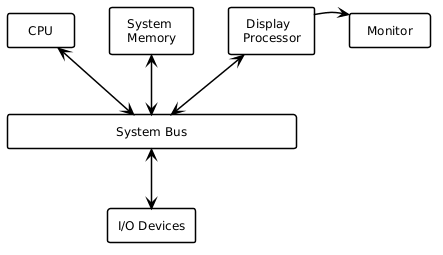
CPU (Processor): Executes the graphics application and generates drawing commands (line endpoints, coordinates).
System Memory: Stores the main application program and data.
Display List (Refresh Buffer): Stores a sequence of line-drawing commands (not pixel values). Contains instructions like "move to (x1, y1), draw line to (x2, y2)".
Display Controller: Reads instructions from the display list and converts them into deflection voltages for the CRT. It cycles through the display list 30–60 times per second to maintain the image.
CRT Monitor: The electron beam traces lines directly on the phosphor screen based on deflection signals.
Random scan displays are efficient for applications involving line drawings since the beam only traces required lines, providing high-quality vector images but limited in displaying complex filled areas or realistic images.